Cut Waste by Recycling Your Old Pots and Pans
Are you looking for ways to minimize household waste? One area often overlooked is the kitchen, where old pots and pans quietly pile up over the years. This comprehensive guide will walk you through how to cut waste by recycling your old pots and pans, embracing sustainability in your daily life while freeing up cupboard space. Read on to learn why and how you should give your cookware a second lease on life!
Why Recycle Old Pots and Pans?
Every year, millions of tons of kitchenware and cookware find their way into landfills. Recycling your old pots and pans is more than just an eco-friendly act--it can also save resources, reduce environmental impact, and support local communities. Here's why it's so important:
- Reduces landfill waste: Metal, ceramic, and nonstick pans don't decompose easily, contributing to long-lasting pollution.
- Conserves raw materials: Metal can be melted down and reused multiple times, reducing mining and energy usage.
- Prevents hazardous leaching: Old non-stick coatings may break down and release harmful chemicals if not correctly disposed of.
- Encourages a circular economy: Reused metals and materials keep the cycle going, supporting jobs and sustainable industries.

How to Identify Recyclable Pots and Pans
Not all cookware is created equal, and different materials require different recycling approaches. Here's how to determine the recyclability of your old kitchenware:
1. Check the Material Composition
- Stainless Steel: Highly recyclable and accepted by most scrap metal and recycling centers.
- Aluminum: Lightweight and valuable for recycling but may require removal of plastic or rubber handles.
- Copper: Less common, but extremely sought after by scrap yards. Often found in luxury cookware.
- Nonstick Coatings: Pans coated with Teflon or ceramics may be accepted, provided the coating is not peeling or chipping.
- Cast Iron: Durable and almost always accepted by metal recyclers or can be refurbished for reuse.
2. Inspect for Non-Metal Parts
Kitchenware with wooden, plastic, or rubber handles may need to be disassembled before recycling. Non-metal parts could contaminate the recycling process, so remove them if possible or follow the instructions provided by your local center.
3. Look for Recycling Symbols
Some modern cookware comes with recycling icons or instructions printed on the base. If you spot these, follow them to ensure proper disposal or recycling.
Recycling Pots and Pans: Step-by-Step Guide
Ready to cut kitchen waste by recycling your cookware? In this section, we outline a step-by-step guide for responsibly recycling old pots and pans.
1. Sort and Separate
Group your items by material (e.g., steel, aluminum, copper, nonstick, ceramic). Remove any non-recyclable parts such as glass lids, rubberized handles, or plastic knobs to make recycling easier and more efficient.
2. Clean Thoroughly
Give your pots and pans a good scrub. Remove food residue and grease to prevent contamination of recycled materials.
3. Research Local Recycling Options
Not all curbside or municipal programs accept cookware. Use these options to find where to recycle old pots and pans in your area:
- Scrap Metal Yards: Most accept metal pots and pans for recycling and may even pay by weight.
- Special Recycling Centers: Some cities have facilities that handle metal kitchenware and nonstick pans.
- Manufacturer Take-Back Programs: Leading brands occasionally offer cookware recycling initiatives.
- E-Waste Collection Events: Larger cities sometimes gather hard-to-recycle household items, including cookware, at specific times.
4. Prepare for Drop-Off
Package your clean, separated cookware. Clearly label any items with chipped coatings or mixed materials to help staff sort them efficiently at the recycling center.
5. Drop Off or Arrange Pickup
Bring your old cookware to the chosen facility or arrange a pickup if the center offers this service. Some scrap yards may require you to weigh items, so call in advance and ask about their process.
Creative Ways to Reuse or Upcycle Old Pots and Pans
If recycling isn't an option--or if you fancy a creative project--there are countless imaginative ways to repurpose old cookware. Not only does upcycling help cut kitchen waste, but it also adds a unique flair to your home and garden.
1. Turn Pans into Planters
Drill a few holes in the base for drainage, add soil and your favorite succulents or herbs, and you've got instant garden magic. Old saucepans, frying pans, and cast-iron Dutch ovens all make quirky, rustic plant containers for patios and balconies.
2. Create Wall Art or Storage
Hang vintage frying pans or mismatched lids to create a retro-kitchen look. Attach hooks or pegs to the handle and use them to store kitchen gadgets, towels, or even jewelry--blending decor with organization.
3. Build a Bird Bath or Feeder
Repurpose an old pan by mounting it on a post in your garden. Fill with water or seed and invite feathered friends for a visit.
4. Make a Clock or Mirror Frame
Turn a frying pan into a funky wall clock or mirror by inserting a clock mechanism or mirror glass. Paint or decorate for a customized, upcycled masterpiece.
5. Donate for Community Projects
Many art teachers or community centers welcome donations of old cookware for craft projects. Before throwing away, check if your local schools or nonprofits could use those pans for DIY workshops or upcycling activities.
Donation: Giving Your Cookware a Second Life
If your pots and pans are still in usable condition, donation is an excellent alternative to recycling. Donating reduces waste and supports families in need while prolonging the life of your kitchenware.
Where to Donate Old Pots and Pans
- Charity Thrift Stores: Organizations like Goodwill, The Salvation Army, and local charity shops regularly accept kitchenware donations.
- Food Banks and Shelters: Many outreach programs and shelters use or distribute pots and pans to those setting up a new home or moving out of hardship.
- Refugee and Resettlement Programs: Support newcomers in your area by donating gently used cookware to agencies that furnish apartments.
- Community Swap Events: Neighborhood groups or community centers may hold kitchenware exchanges, where you can swap unused items with others.
Tip: Always clean and check your cookware before donating--it should be rust-free and safe for use!
Common Mistakes to Avoid When Recycling Cookware
Many well-meaning people unintentionally complicate the recycling process. Here are key mistakes to avoid when recycling old pots and pans:
- Placing cookware in regular recycling bins: Most curbside programs don't process heavy metals--check ahead!
- Leaving food or grease residue: Dirty items may be rejected by recyclers.
- Recycling non-metal parts: Remove plastic, wood, and rubber pieces before taking cookware to scrap yards.
- Not separating materials: Mixing metals can hinder sorting and processing efficiency.
- Tossing hazardous pans: Cookware with cracked, peeling nonstick surfaces may need special handling due to potential toxins.
Frequently Asked Questions About Recycling Pots and Pans
Can nonstick pans be recycled?
Most facilities can recycle the base metal, but peeling or damaged coatings may require special handling. Call your local recycling center to check their process for nonstick cookware.
Can ceramic or glass cookware be recycled with metal pans?
No. Ceramics and glass have different melting points and must be recycled separately. Place these items in designated glass or ceramics collection programs.
Do you need to remove handles or knobs before recycling?
Yes, whenever possible. Handles, knobs, and lids made from plastic, silicone, or wood can contaminate metal recycling batches. Always check recycling facility requirements.
Is there a market for vintage or collectible cookware?
Absolutely! Cast iron, copper, and enamel pans from brands like Le Creuset, Lodge, or Griswold are highly sought by collectors. Check online marketplaces or antique stores before recycling rare pieces.
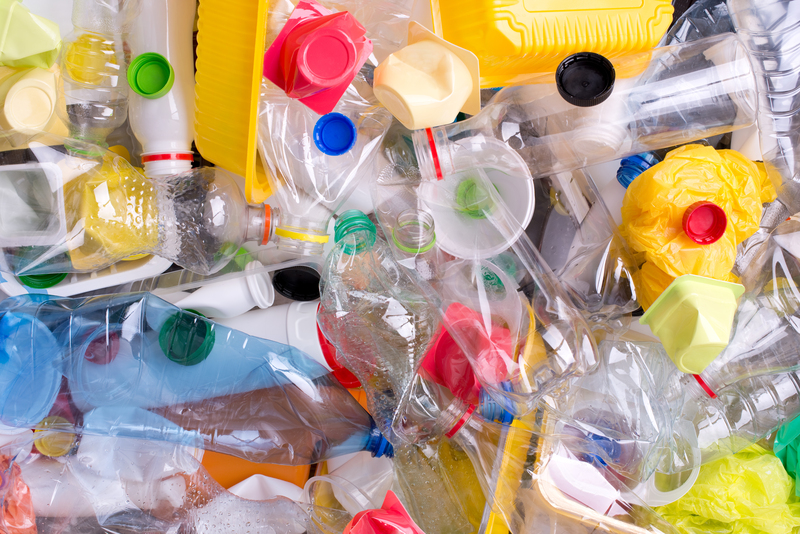
Benefits of Recycling and Reusing Pots and Pans
- Reduces Environmental Impact: Conserves resources, energy, and space in landfills.
- Promotes a Circular Economy: Keeps valuable metals in use and supports local recycling industries.
- Supports Community Initiatives: Donated pans help families, shelters, and schools.
- Encourages a Sustainable Mindset: Sets an example for friends and family in reducing household waste.
Conclusion: Cut Kitchen Waste, Protect the Planet
Becoming more eco-conscious starts at home--and the kitchen is a great place to begin. By recycling your old pots and pans, you avoid needless landfill waste and contribute to a cleaner, greener future. Whether you donate, recycle, repurpose, or upcycle, your conscience and community will thank you.
Remember: Before discarding any cookware, consider all your options. Cutting waste is a collective effort, and every recycled pot or pan makes a difference!
Want More Kitchen Sustainability Tips?
Subscribe to our newsletter for more eco-friendly guides, DIY upcycling ideas, and local recycling updates. Together, we can build a waste-free kitchen--starting with your oldest pans!